Rising 3,726 metres above the island of Lombok, Mount Rinjani is a colossus forged by fire, faith, and millennia of human story. From ancient Sasak rituals to modern pilgrimages, its history is as explosive and enduring as the volcano itself.
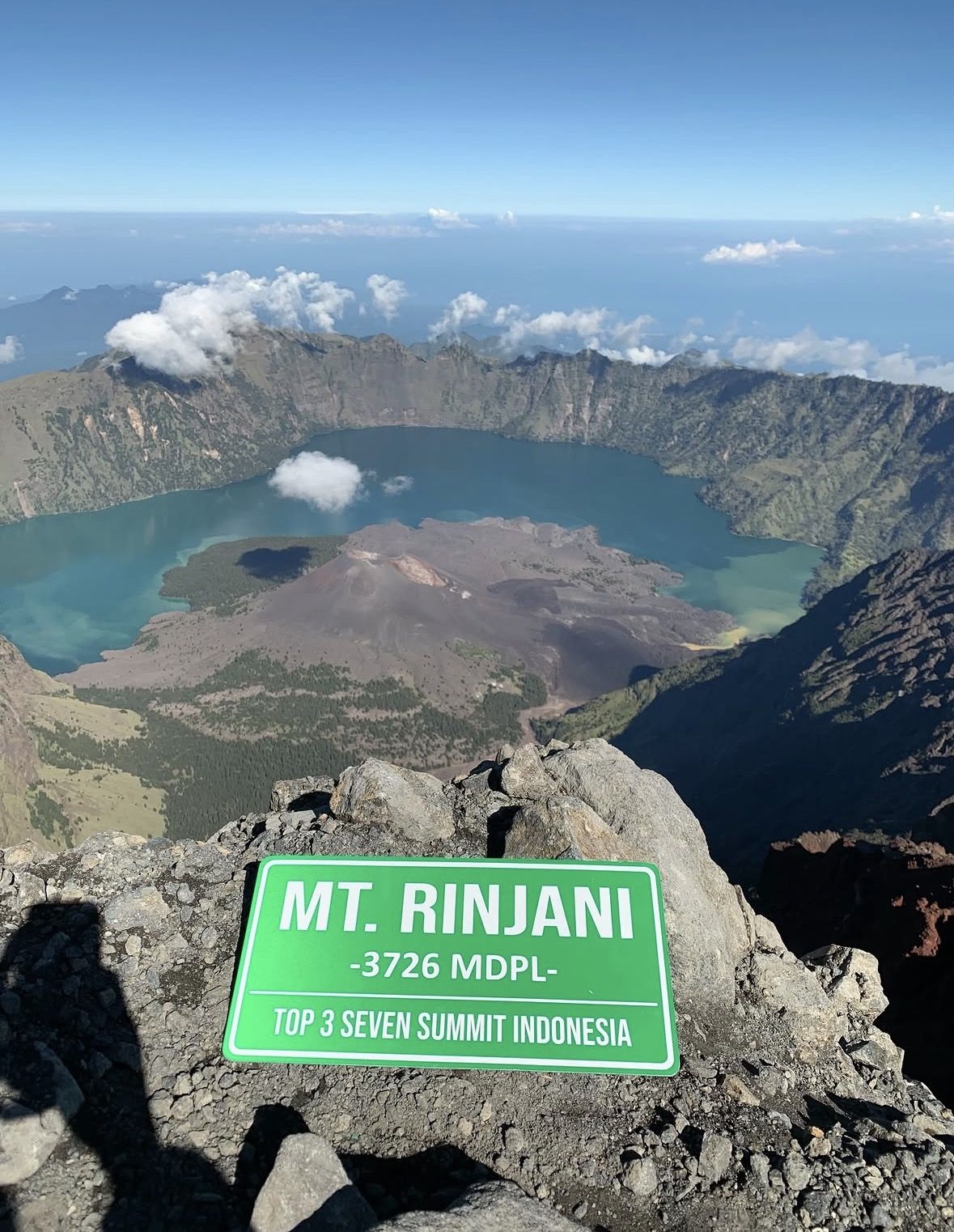
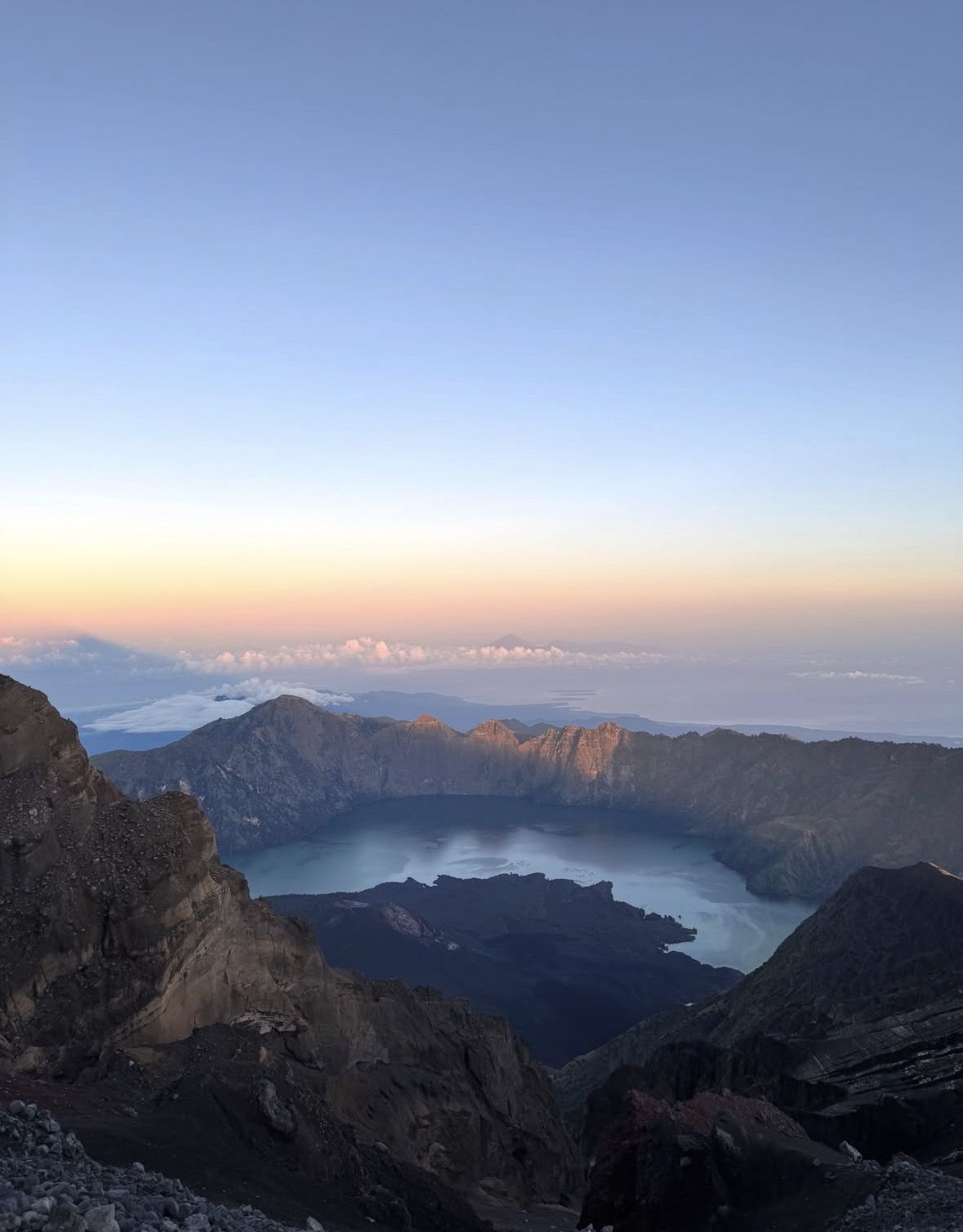
Mount Rinjani sits atop the Sunda Arc, the chain of volcanic islands sculpted by the subduction of the Indo-Australian Plate beneath the Eurasian Plate. Geological evidence indicates that volcanic activity in this region began millions of years ago, but the modern edifice of Rinjani emerged far more recently in geological terms. The catastrophic eruption that created the enormous caldera — now cradling the turquoise crater lake known as Segara Anak — is believed to have occurred roughly 1,000 years ago, dramatically reshaping the summit and establishing the dramatic landscape that defines the mountain today.
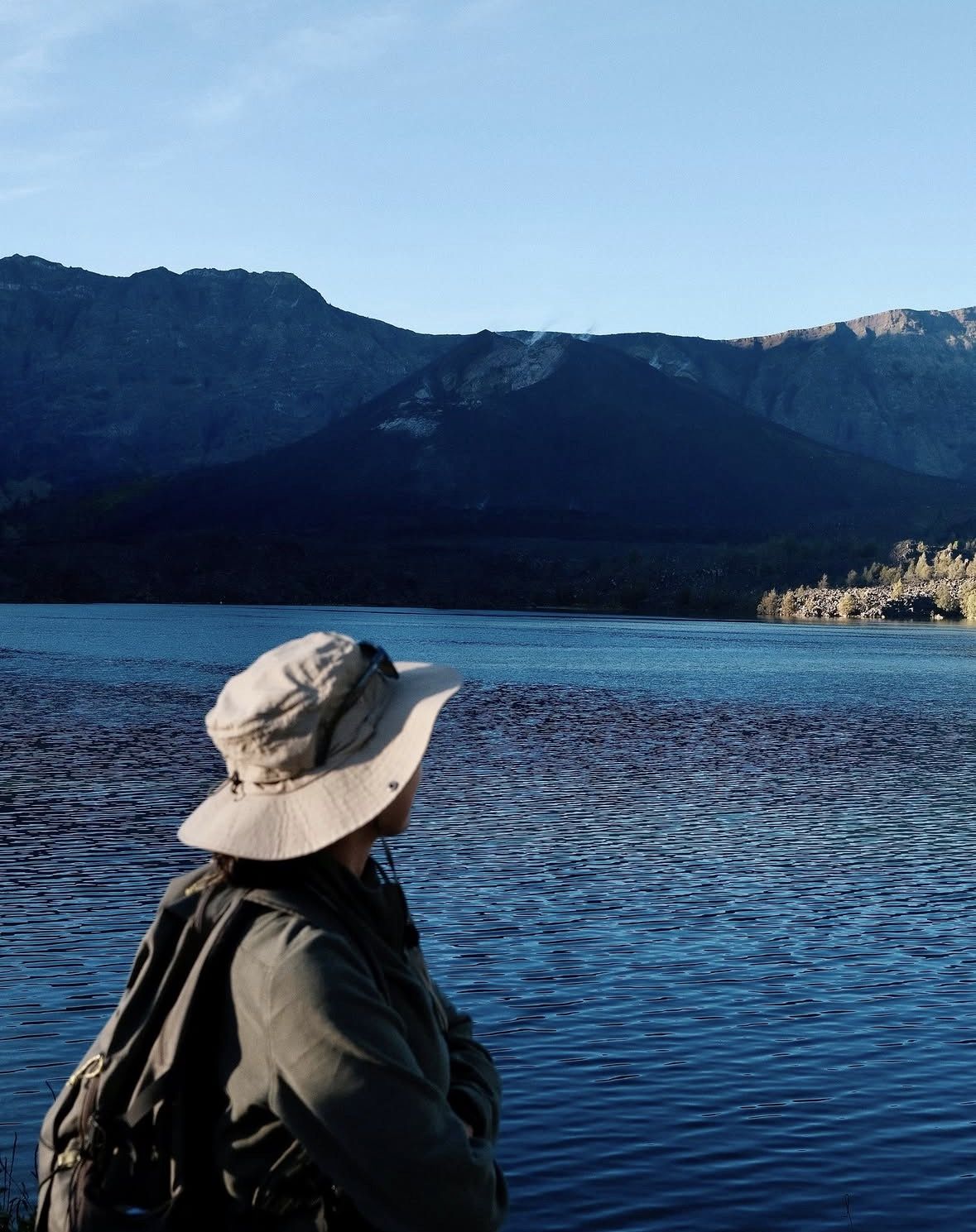
Within the Segara Anak caldera, a younger volcanic cone called Gunung Baru Jari, meaning 'new finger mountain,' began forming after the caldera collapse. This inner cone has been persistently active, with notable eruptions recorded in 1994, 2004, 2010, and 2016. Scientists classify Rinjani as one of Indonesia's most active stratovolcanoes, part of a nation that hosts more active volcanoes than any other on Earth. The interplay between the ancient caldera and the young inner cone gives Rinjani a layered geological biography unlike almost any other volcano accessible to trekkers worldwide.
For the Sasak people, the indigenous inhabitants of Lombok, Mount Rinjani is far more than a geological feature — it is the earthly seat of the gods. Known in ancient tradition as Gunung Rinjani or Rinjani Agung, the volcano is believed to be the dwelling place of Dewi Anjani, a princess-turned-goddess described in local legend as the queen of the spirits who inhabits the crater lake. Offerings are brought to Segara Anak regularly, and the mountain is treated as a living, breathing divine presence that must be honoured with ritual respect before any ascent is undertaken.
The Balinese Hindu community of Lombok shares a deep reverence for Rinjani, intertwining its spiritual significance with the broader Hindu cosmological view of mountains as sacred axes connecting earth and heaven. Each year, during a ceremony called Mulang Pakelem, Balinese devotees make the arduous trek to Segara Anak to cast offerings of gold and jewellery into the lake's waters. This ritual is believed to appease the volcano's spirits and ensure prosperity for the island's communities. The coexistence of Sasak animist, Islamic, and Balinese Hindu traditions at Rinjani creates one of the most spiritually layered sacred landscapes in Southeast Asia.
Islam arrived in Lombok during the 16th century, and the island's majority Sasak Muslim population absorbed rather than replaced older spiritual relationships with the mountain. The Wetu Telu, a syncretic form of Islam practiced by some Sasak communities, blends Islamic observance with ancestral veneration and nature worship, with Rinjani remaining central to cosmological identity. Local guides and villagers in towns such as Senaru and Sembalun still observe traditional protocols before leading trekkers onto the mountain, reciting prayers and seeking the mountain's permission. This living synthesis of belief systems gives every trek on Rinjani a profound cultural dimension.
The Indonesian government formally established Gunung Rinjani National Park in 1997, designating approximately 41,330 hectares of montane forest, volcanic terrain, and the caldera as a protected area. This recognition acknowledged not only the mountain's ecological significance — its forests shelter endangered species including the Javan leopard and ebony leaf monkey — but also its growing importance as a destination for adventure tourism. The national park framework introduced regulated trekking routes, permit systems, and ranger patrols, laying the groundwork for sustainable management of what was rapidly becoming one of Indonesia's most sought-after trekking experiences.
International attention intensified when the Rinjani Trek Ecotourism Programme was launched in 2000, a pioneering initiative funded by the New Zealand government in partnership with local communities and the Indonesian Ministry of Forestry. The programme trained local guides, established porter welfare standards, and built trail infrastructure along the two principal routes from Senaru in the north and Sembalun in the east. It became a celebrated model for community-based ecotourism across Southeast Asia, winning awards and attracting study visits from conservation organisations around the world. Today, the Rinjani Trek Management Board continues to oversee operations with local community welfare at its core.
The 2009 eruption caused temporary trail closures, and the devastating earthquakes of 2018 — which struck Lombok in a series of powerful tremors killing more than 560 people — forced an extended suspension of trekking on Rinjani as the mountain itself experienced heightened seismic and volcanic activity. The recovery and subsequent reopening of the trails in 2019 demonstrated the extraordinary resilience of both the mountain's ecosystems and the local communities whose livelihoods depend on trekking tourism. New trail repairs, improved safety protocols, and a revised permit system were implemented, giving Rinjani's modern trekking infrastructure its current form.
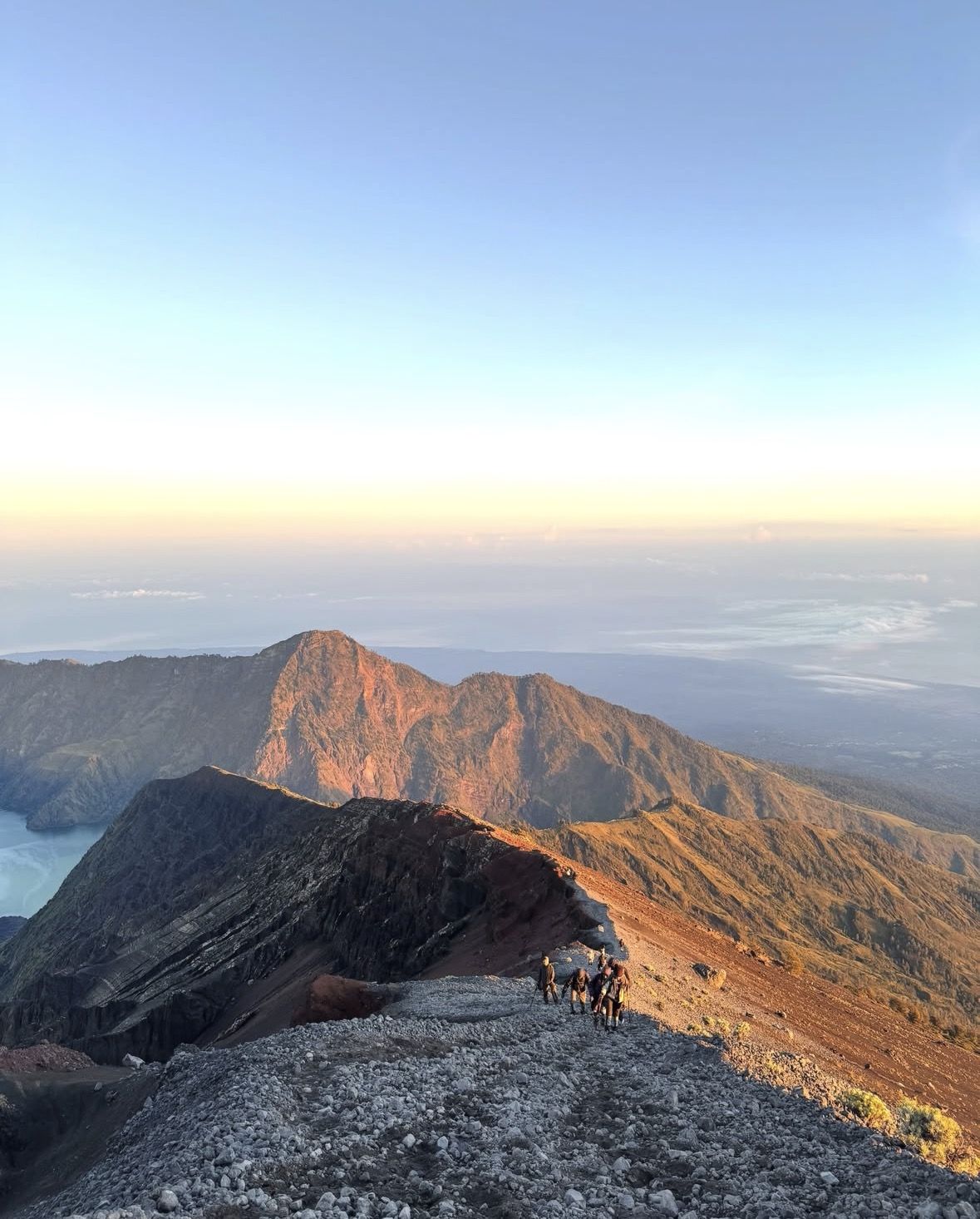
Today, Mount Rinjani draws trekkers from every corner of the globe, united by the desire to stand on the crater rim at sunrise and gaze across one of the most dramatic volcanic landscapes in Asia. The standard two-to-four-day trek typically ascends via Senaru or Sembalun, reaches the 2,639-metre caldera rim, descends to the shores of Segara Anak for a night beside the glowing inner cone, and optionally pushes to the true summit at 3,726 metres. Hot springs fed by geothermal vents along the crater lake shore offer a surreal reward for weary legs, and the biodiversity of the surrounding forest enchants naturalists at every step.
Rinjani remains a volcano very much alive in every sense — geologically active, spiritually charged, and culturally vibrant. The porters and guides who lead expeditions are predominantly from Sembalun and Senaru villages, carrying traditions of mountain knowledge passed down through generations. For the traveller willing to invest in the physical challenge, the mountain repays every step with vistas of extraordinary beauty, encounters with genuine local culture, and the rare satisfaction of standing atop a volcano whose history stretches from the depths of geological time to the living present. There is no Indonesian adventure quite like it, and few experiences anywhere on earth that match its blend of raw nature and sacred meaning.
Ready to Experience It Yourself?
Join thousands of adventurers who have stood on Rinjani's legendary crater rim and felt the earth breathe beneath their feet. Our carefully selected trekking partners offer guided multi-day expeditions with experienced local guides, transparent porter welfare standards, and packages to suit every fitness level. Book your Rinjani trek today and become part of the mountain's living story.
Book Your Tour Now