Towering 3,726 metres above Lombok Island, this UNESCO Global Geopark volcano rewards adventurers with a stunning crater lake, steaming hot springs, and unforgettable sunrises. From seasoned trekkers to curious first-timers, the mountain offers an experience unlike anywhere else in Southeast Asia.
Featured Tour
The Mount Rinjani 2 Days 1 Night Senaru Crater Rim tour is widely regarded as the best introduction to trekking Indonesia's second-highest volcano. You'll hike through a lush, ancient rainforest before reaching your campsite right on the crater rim — a setting so dramatic it feels unreal. As evening falls, watch the sun dip below the horizon over the turquoise Gili Islands, then rise the next morning to see Mount Agung glowing in the distance across the Bali Strait. This carefully designed itinerary keeps the challenge accessible without sacrificing the awe-inspiring rewards that make this volcano famous worldwide.
About the Destination
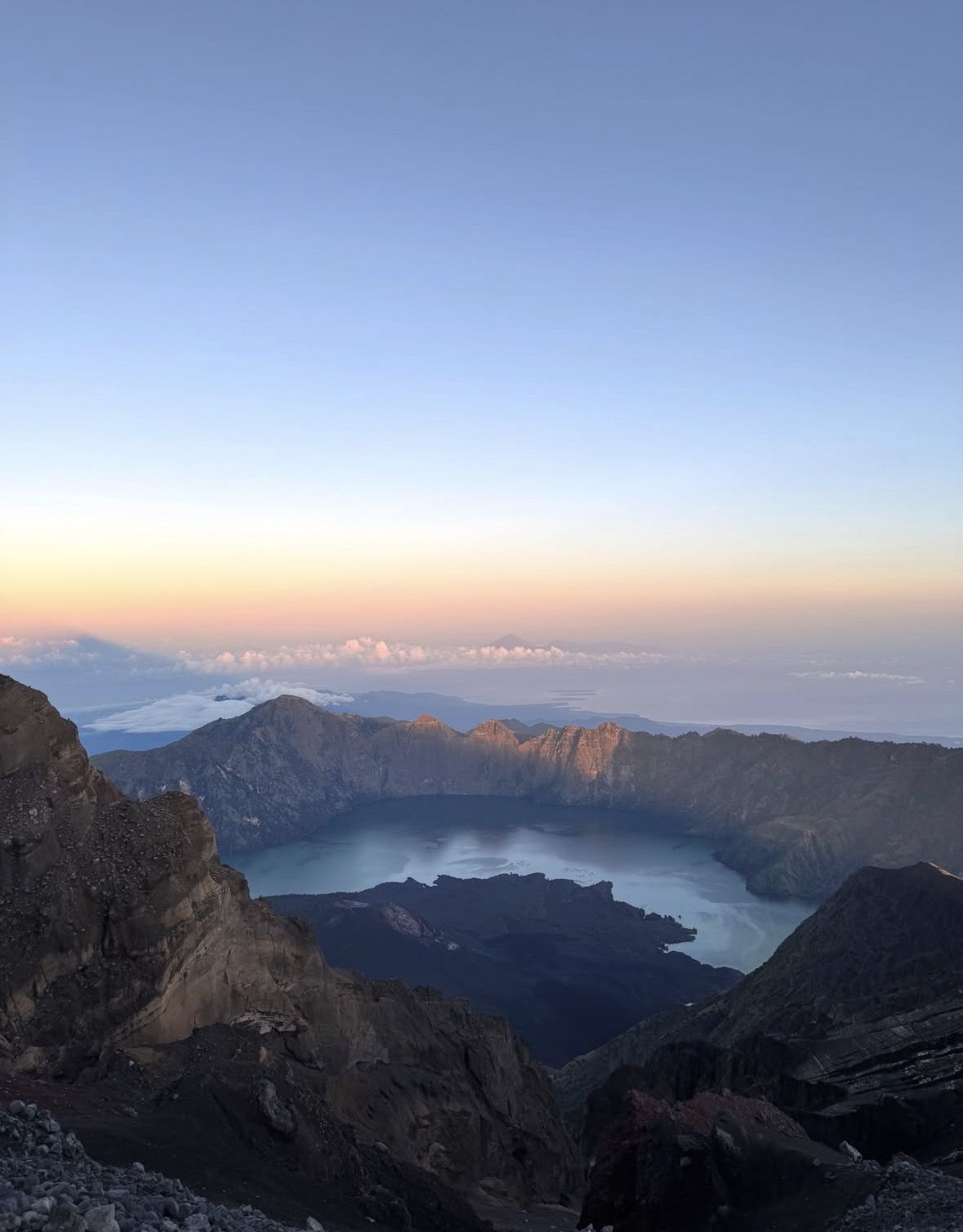
Sitting at the heart of Lombok Island in West Nusa Tenggara, Indonesia, the volcano anchors an entire national park of rainforest, savannah, and volcanic moonscape. Its combination of geological drama, spiritual significance, and raw natural beauty makes it one of the most compelling trekking destinations in all of Asia.
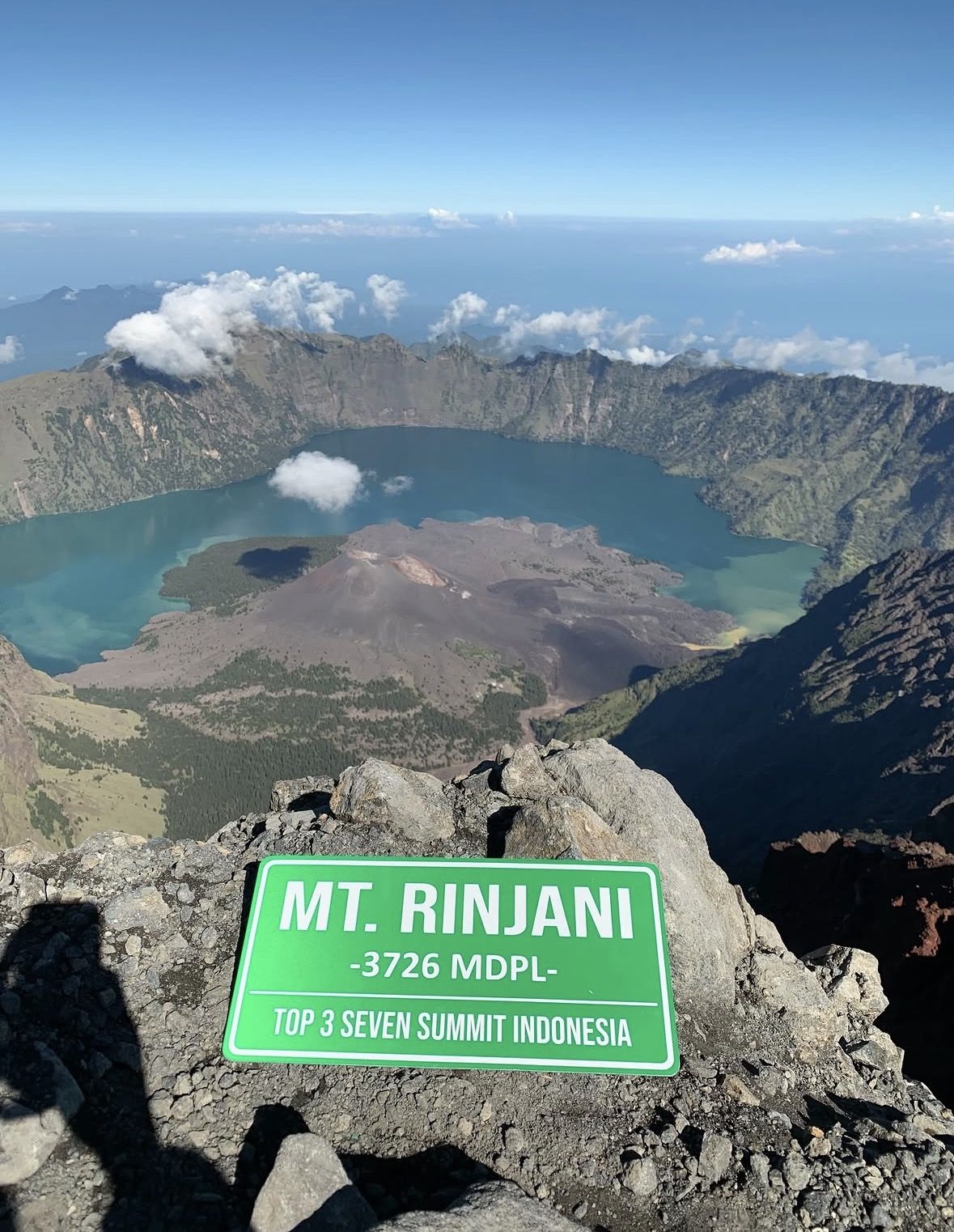
Mount Rinjani dominates the northern half of Lombok Island, rising steeply from coastal lowlands to a jagged summit caldera at 3,726 metres. It is the centrepiece of Rinjani National Park, a protected area covering roughly 41,330 hectares of diverse terrain. Visitors approach from gateway villages including Senaru in the northwest and Sembalun in the east, each offering distinct landscapes ranging from dense montane rainforest to sweeping highland meadows. The park is a two-to-three-hour drive from Lombok's international airport near Mataram.
The volcano's geological story stretches back hundreds of thousands of years, but its most dramatic chapter came in 1257 AD when its precursor, Mount Samalas, produced one of the largest volcanic eruptions in recorded human history — an event so powerful it may have triggered a global climate cooling episode. The resulting collapse created the Segara Anak caldera, within which a new cone, Gunung Baru Jari, has been steadily growing since the 18th century. For the Sasak people of Lombok, the mountain has been a sacred site of worship and ritual for centuries.
Trekkers today encounter a landscape layered with contrasts: mossy cloud forest gives way to exposed volcanic ridges, and the turquoise waters of Segara Anak shimmer over 600 metres below the crater rim. The journey is demanding — steep ascents, loose scree, and cold nights at altitude — yet the rewards are extraordinary. Soaking in the natural hot springs beside the lake, watching the shadow of the summit stretch across the clouds at dawn, and sharing tea with a Sasak guide are memories that linger long after the muscle soreness fades.
Standing at 3,726 metres, it trails only Mount Kerinci in Sumatra. Its stratovolcano structure sits on the Sunda Arc, one of the world's most volcanically active zones. Last significant eruption activity was recorded in 2016.
Its ancient predecessor, Mount Samalas, erupted in 1257 AD in what scientists believe was the largest volcanic event of the past 7,000 years. The eruption ejected an estimated 40 cubic kilometres of material and may have caused a volcanic winter across the Northern Hemisphere. The caldera it left behind became the stage for today's crater lake.
The turquoise-green caldera lake measures approximately 11 square kilometres and sits at around 2,008 metres altitude. Mineral-rich hot springs feed into its shores, and the Sasak people consider it a holy site for prayer and offerings. Fishing within the lake is practiced by local communities with traditional permits.
The national park shelters more than ten species found nowhere else, most famously the Rinjani Scops Owl, discovered by scientists only in the 1990s. Other notable residents include the Lombok crossbill, black ebony langur, and various reptile species adapted to montane habitats.
The Sasak and Balinese Hindu communities have made annual pilgrimages to the crater lake for over five centuries, bringing offerings and conducting ceremonies tied to agricultural cycles and ancestor veneration. The mountain is known locally as Gunung Rinjani and remains a living spiritual landscape, not merely a trekking destination.
Official access routes include the popular Sembalun and Senaru trails, as well as the less-travelled Torean and Aik Berik routes. Each offers different scenery, difficulty levels, and side attractions. All trekkers must enter through a registered operator and carry an official permit issued by the national park authority.
The Sembalun route is the most popular path to the 3,726 m summit, ascending through savannah grasslands before reaching the punishing scree slopes to the top. Most trekkers complete the route in three to four days with an overnight camp on the crater rim. The sunrise from the summit, with views stretching to Bali's Agung and Sumbawa's Tambora, is considered one of Indonesia's finest.
Natural geothermal springs at Aik Kalak, on the shore of Segara Anak lake, bubble up at a comfortable 30–40 °C — the perfect remedy after a gruelling descent to the crater floor. The surrounding scenery of the caldera walls and the growing cone of Baru Jari makes this one of the most dramatic spa settings imaginable. Access typically requires a two-day minimum trek.
Local Sasak guides and community members have fished the crater lake for generations, and some trekking packages include a hand-line fishing session on the lake shore. Rainbow trout were introduced decades ago and now thrive alongside native species in the cold, clear waters. It's a uniquely peaceful activity in the heart of a volcanic caldera.
The lower montane forest on the Senaru route is a haven for birdwatchers and wildlife enthusiasts, with black monkeys, flying foxes, and dozens of bird species active from early morning. Dawn and dusk are the best times to scan the canopy for the Rinjani Scops Owl or the Lombok crossbill. A knowledgeable local guide dramatically increases the chances of memorable wildlife encounters.
Few landscapes in Southeast Asia rival the visual drama of the crater rim at first light — a turquoise lake 600 metres below, steam rising from the inner cone, and a sea of clouds stretching to the horizon. Photographers should time their arrival for the pre-dawn hours to capture the moment the sun crests the rim and illuminates the caldera. Bring a wide-angle lens and a sturdy tripod to handle the wind.
The traditional Sasak village of Senaru, just outside the park boundary, offers an authentic glimpse into the highland communities that have coexisted with the volcano for centuries. Guided village walks explain traditional house architecture, weaving practices, and the spiritual relationship between the Sasak people and the mountain. This is a meaningful way to contextualise the trek within its living cultural landscape.
Weighing up Indonesia's volcano treks? Here's how they stack up on the key factors that matter most to hikers.
Choosing between Indonesia's iconic volcano treks can be overwhelming — each offers something genuinely different in terms of difficulty, scenery, and cultural depth. Mount Rinjani appeals to trekkers who want more than a summit tick: the multi-day journey, the crater lake, the hot springs, and the Sasak cultural dimension set it apart. This table helps you compare it against three other celebrated Indonesian volcano destinations so you can match your adventure to your fitness level, budget, and time.
| Crowds | Price | Best For | What Sets It Apart | |
|---|---|---|---|---|
| ★ Mount Rinjani | Moderate — permits limit daily entries | Mid-range (IDR 150k–300k permit + guide fees) | Multi-day trekkers, crater lake lovers, culture seekers | Segara Anak crater lake, hot springs, Sasak heritage & UNESCO Geopark status |
| Mount Bromo (Java) | Very high — one of Indonesia's most visited volcanoes | Budget-friendly day trip from Probolinggo | Sunrise day-trippers, families, first-time volcano visitors | Iconic sea of sand caldera, accessible by jeep, dramatic sunrise views |
| Mount Ijen (Java) | Moderate to high, especially for blue fire treks | Budget to mid-range | Night hikers, photographers, sulphur mine history enthusiasts | World-famous blue electric fire phenomenon and striking turquoise acid lake |
| Mount Batur (Bali) | High — very popular with Bali tourists | Budget (short guided sunrise hike) | Casual hikers, first-time volcano trekkers, Bali visitors | Easy sunrise hike with sweeping views over Lake Batur, quick half-day commitment |
For travellers seeking a genuinely immersive multi-day wilderness experience, Mount Rinjani stands in a class of its own among Indonesian volcanoes. Bromo dazzles at sunrise but lacks the physical challenge; Ijen offers a unique spectacle but little overnight adventure; Batur suits beginners wanting a quick tick. Only Rinjani delivers the full package — summit, crater lake, hot springs, and cultural depth — for those willing to earn every step.
Travel Guide
Everything you need to plan a safe, rewarding trek — from getting to Lombok to what to pack in your bag.
The main entry point to Lombok is Lombok International Airport (LOP), located near Praya in central Lombok, with direct flights from Bali (35 min), Jakarta (2 hrs), and Kuala Lumpur. From Bali, the fast boat from Padang Bai to Lembar takes approximately four to five hours and is a budget-friendly alternative. From the airport, the Senaru gateway village is roughly 2.5–3 hours north by car, while Sembalun is around 2–2.5 hours northeast.
From Mataram or Senggigi, shared minibuses (bemo) run to Senaru but are infrequent and slow. Private car hire or a pre-arranged shuttle from your guesthouse is far more convenient. From Senaru to Sembalun, a mountain road crosses the park boundary — some trekking operators offer a one-way drop to start the loop. Motor-taxi (ojek) is available for short transfers within villages, but most final legs to the park entrance are best covered on foot or by guide vehicle.
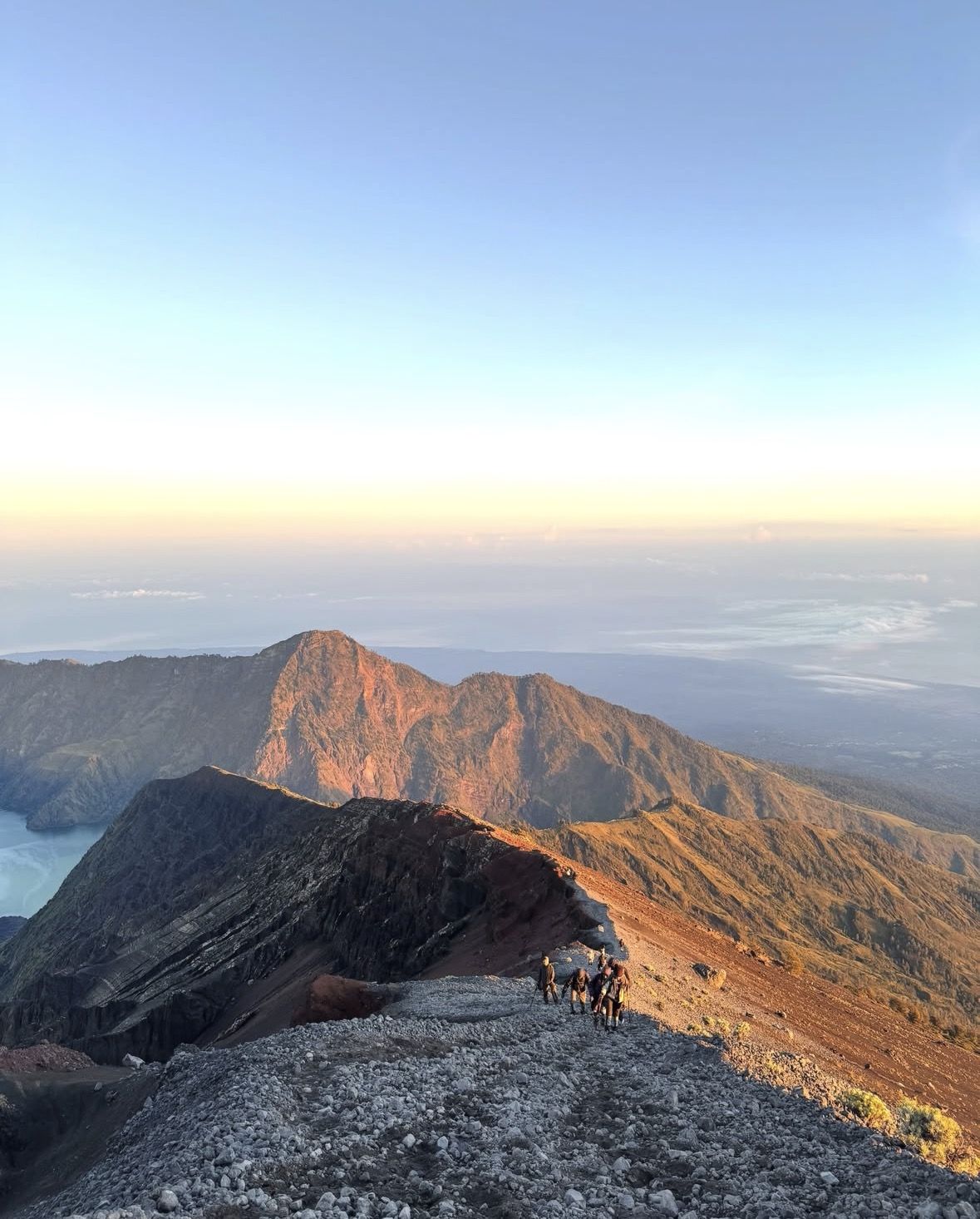
The trekking season runs from April through to early November, coinciding with Lombok's dry season. July and August are peak months with the most reliable weather and the clearest summit views, though the trails are also at their busiest. May, June, September, and October offer an excellent balance of good conditions and thinner crowds. The national park officially closes to trekkers from January through March due to dangerous rainfall, landslide risk, and extremely slippery trails.
Even during the dry season, temperatures at the summit and crater rim drop sharply after sunset, regularly reaching 0–5 °C at altitude. Afternoon clouds build quickly from around midday, so most itineraries time the summit push for the pre-dawn hours to ensure clear views. The rainy season (November–March) brings intense daily downpours, thick mist, and trail erosion; flash floods in the caldera area are a real danger. Always check official park closure announcements before booking.
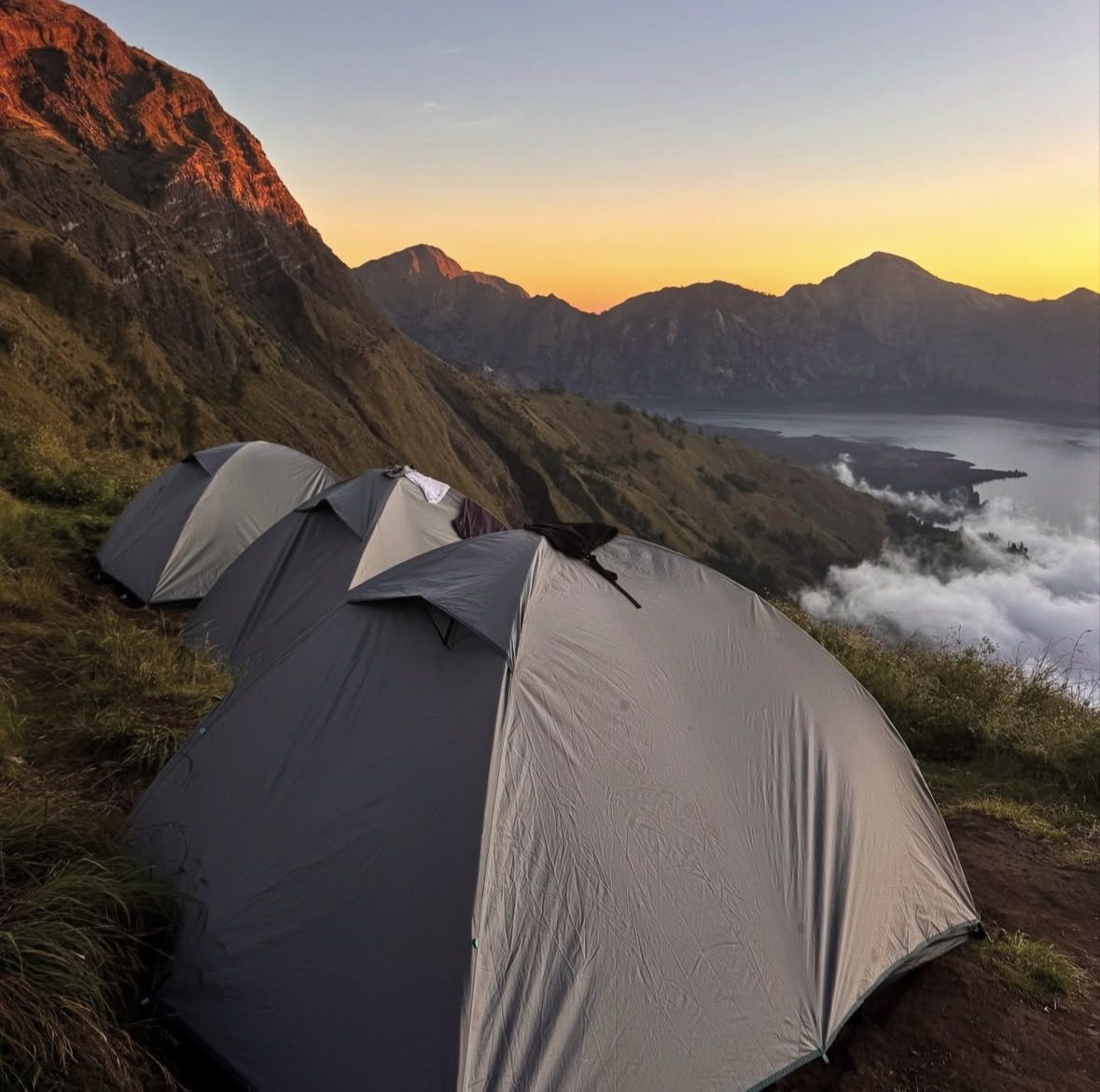
Packing correctly is the single biggest factor separating a comfortable trek from a miserable one. The mountain's altitude means temperatures swing from 30 °C at the trailhead to near-freezing on the crater rim overnight. A quality sleeping bag rated to at least -5 °C is non-negotiable. Trekking poles dramatically reduce knee strain on the steep scree descents. Many operators supply tents, cooking equipment, and porters, so confirm what is included before packing.
Footwear deserves special attention — waterproof, ankle-supporting trekking boots with aggressive grip are essential for the loose volcanic scree on the summit push and the muddy forest sections on the Senaru route. Lightweight, moisture-wicking base layers topped with a warm fleece and a waterproof outer shell cover the full temperature range. Avoid cotton clothing entirely as it retains moisture and accelerates hypothermia in cold, wet conditions.
The Sasak people consider the mountain and its crater lake deeply sacred — treat all religious shrines, offerings, and ceremonial sites with respect and do not touch or move them. Always greet your guide and porters warmly; building a good rapport on the first day pays dividends throughout the trek. Tipping guides and porters is not obligatory but is warmly appreciated — IDR 50,000–100,000 per porter per day is a reasonable benchmark.
Cash is king in gateway villages — ATMs are scarce beyond Mataram, so carry enough Indonesian Rupiah for the full trip before leaving the city. Local warungs in Senaru and Sembalun serve excellent and cheap rice and noodle dishes; fuelling up with a proper meal the evening before the trek makes a real difference. Bargain respectfully in local markets, always smile, and learn a few words of Bahasa Indonesia — even a simple 'terima kasih' (thank you) goes a long way.
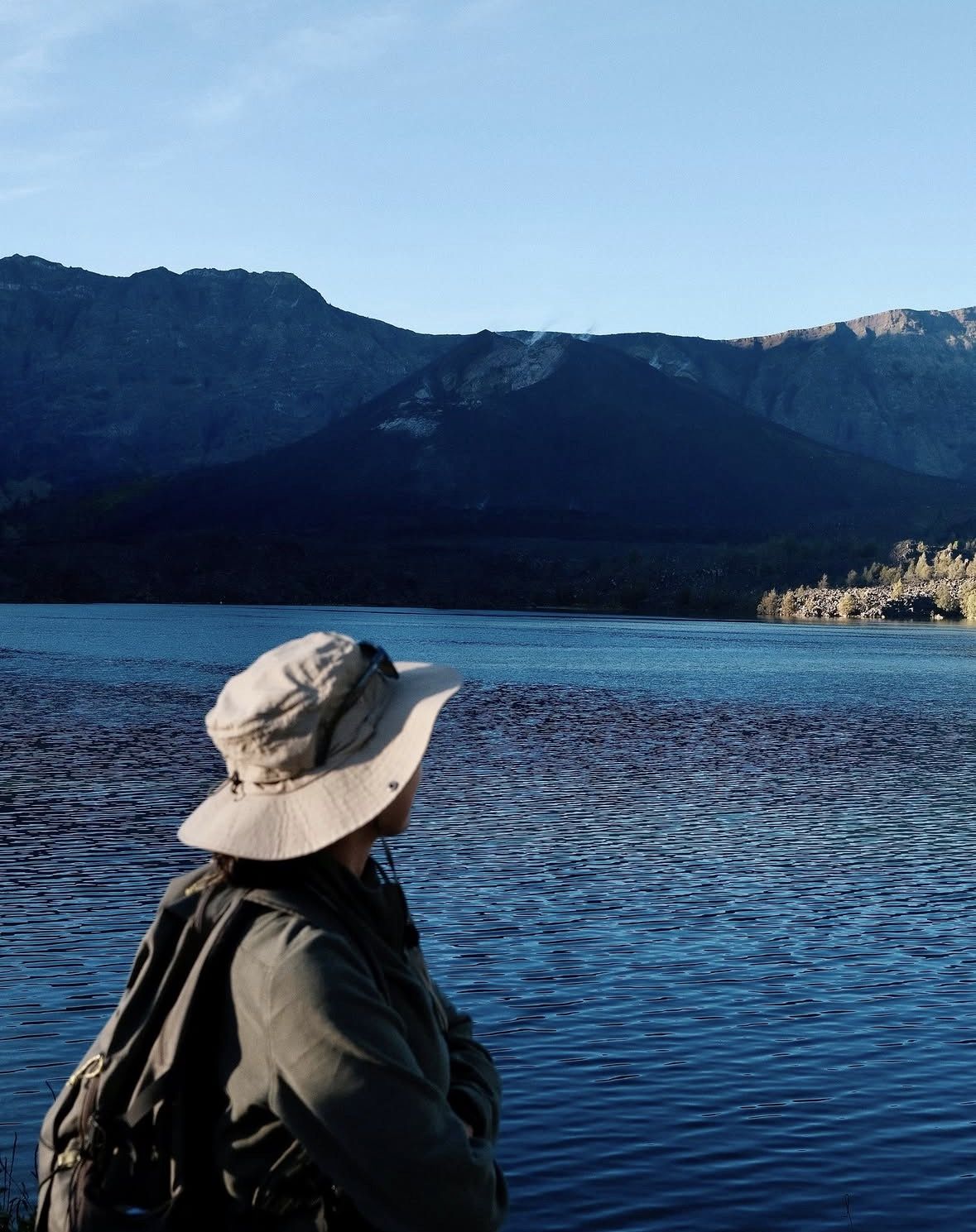
Altitude sickness is a genuine risk above 2,500 metres and can affect even fit trekkers with no prior symptoms. Ascend slowly, stay well hydrated, and descend immediately if you experience persistent headache, nausea, or confusion. Consult your doctor about Diamox (acetazolamide) at least two weeks before departure. Ensure your travel insurance explicitly covers high-altitude trekking and emergency helicopter evacuation — standard travel policies often exclude these.
The volcanic terrain presents additional hazards: loose scree causes ankle sprains and falls, while the active Baru Jari cone occasionally emits sulphurous gases near the lake. Monitor official Indonesian volcanology agency (PVMBG) alerts for any raised activity status before and during your visit. Always trek with a licensed guide — they carry first-aid kits, know evacuation routes, and can summon park rangers via radio if an emergency arises.
Explore More
Lombok and the surrounding islands offer pristine beaches, Gili island hopping, and rich Sasak culture to extend your adventure beyond the trek.
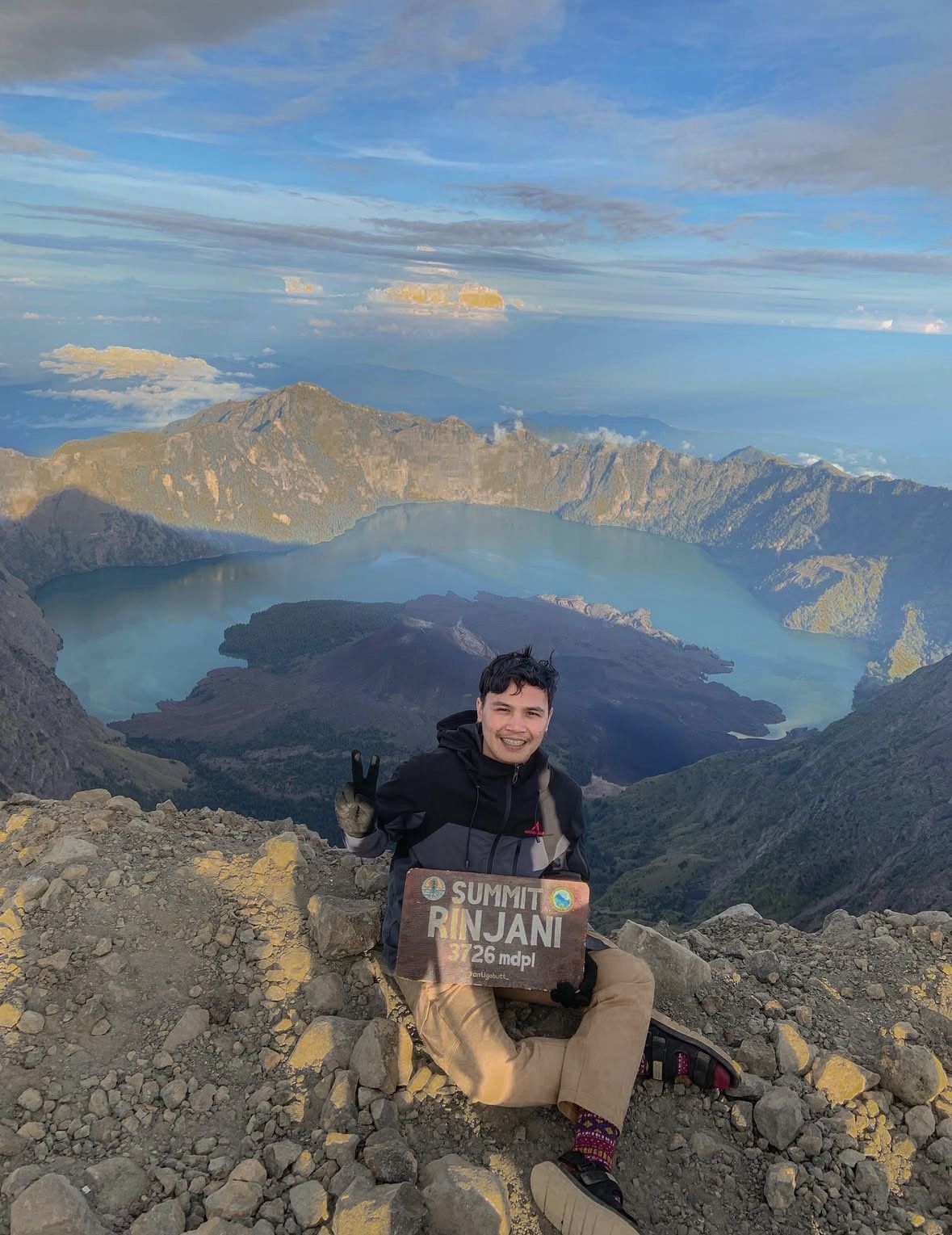
The Mount Rinjani Hiking to summit( 2 Days 1 Night ) is the ultimate fast-track adventure for hikers who want to stand on one of Southeast Asia's most iconic peaks without…
Check this tour →The Mount Rinjani 3D 2N Trekking experience is the most sought-after way to conquer Lombok's iconic volcano.
Check this tour →The Mount Rinjani 2 Days 1 Night Senaru Crater Rim tour is widely regarded as the best introduction to trekking Indonesia's second-highest volcano.
Check this tour →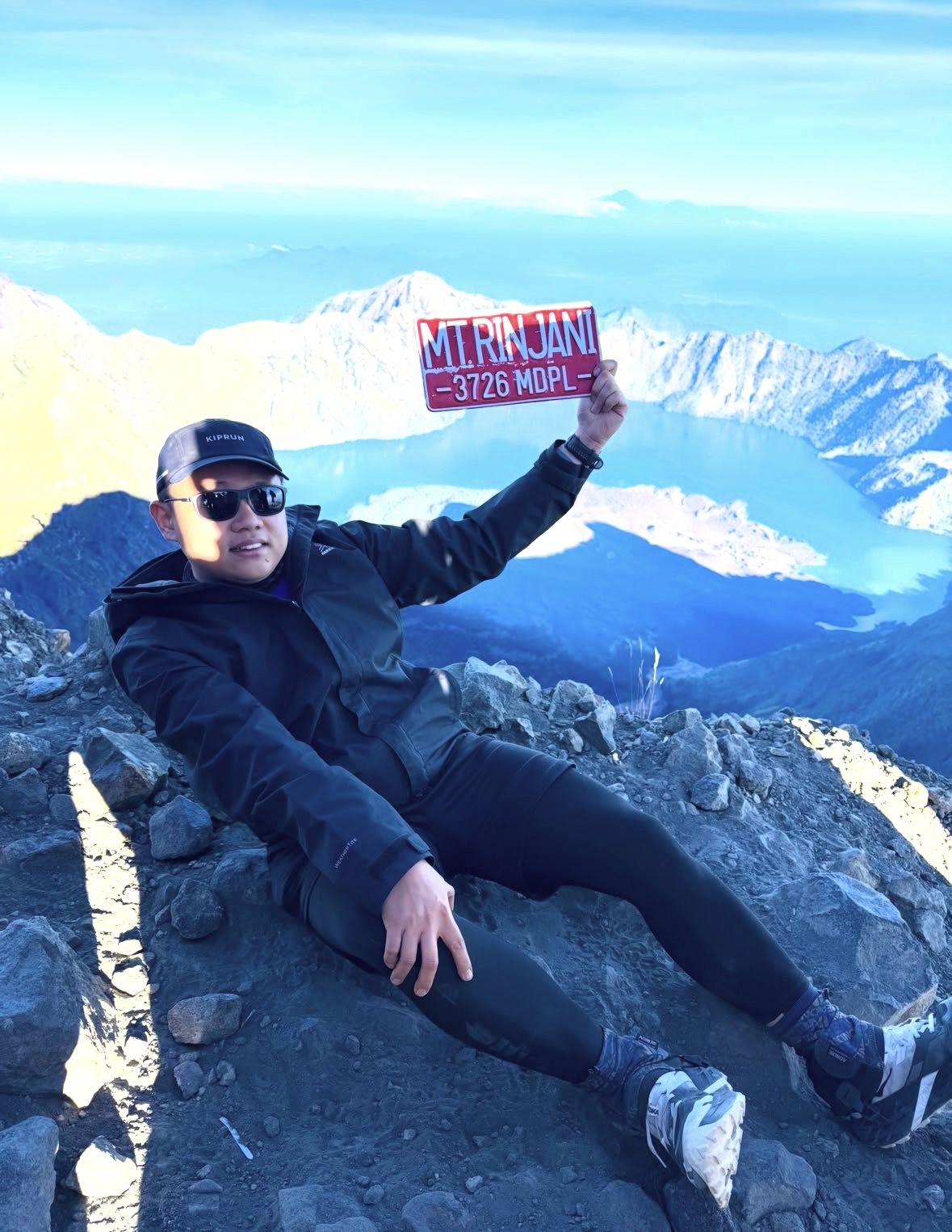
The Mount Rinjan 2Days Summit Full Sunrise View Point 3726m experience is a carefully guided two-day expedition designed for adventurers who want to reach the roof of Lombok and…
Check this tour →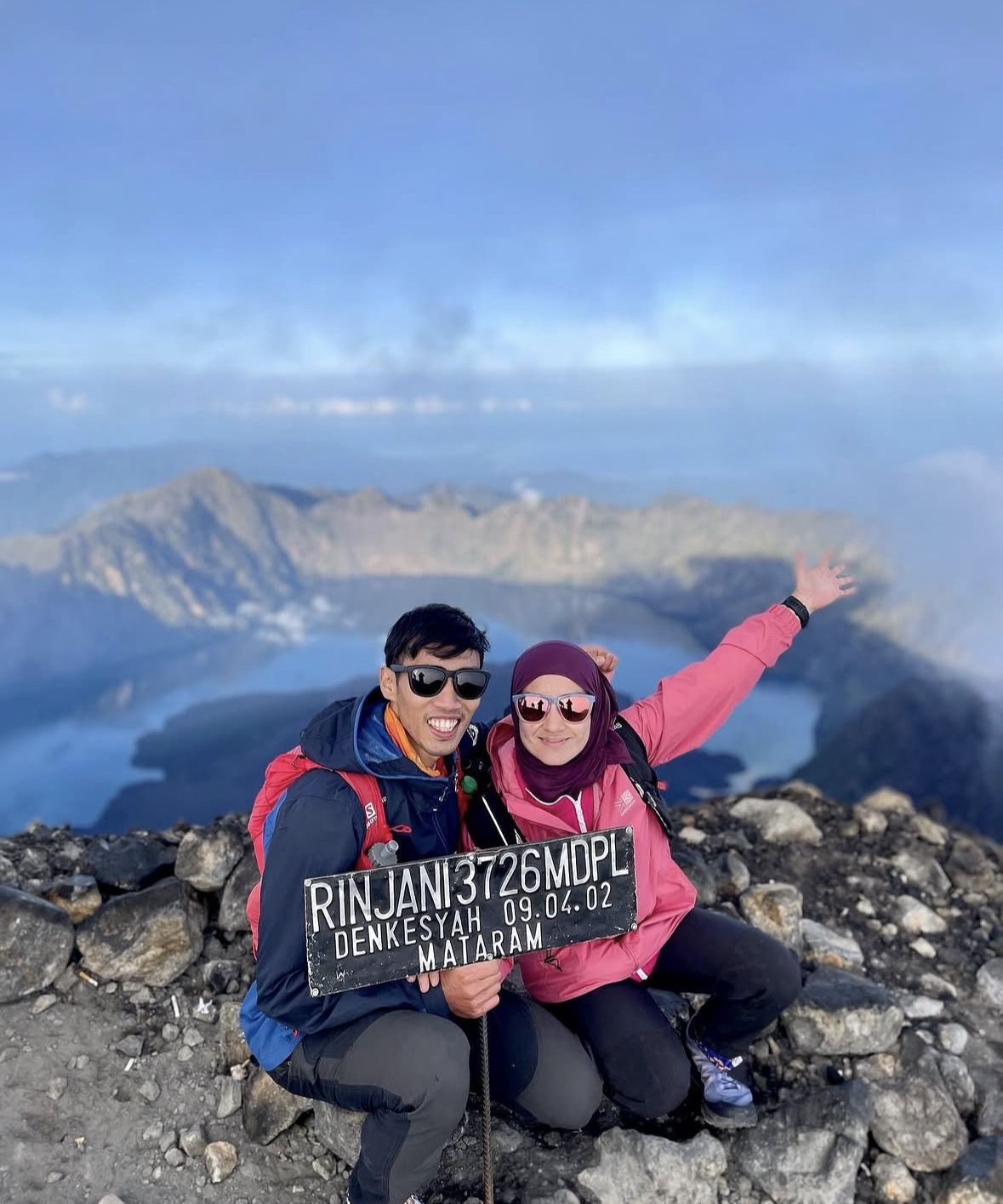
The Private 2 Days and 1 Night Summit in Mount Rinjani is a fully guided private expedition that takes you from the lush meadows of Sembalun village (1,100 m) up through five…
Check this tour →Traveler Reviews
Adventurers from around the world share their unforgettable experiences trekking Mount Rinjani.
"Standing on the crater rim at sunrise, looking down at Segara Anak lake glowing in shades of turquoise and gold, was one of the most breathtaking moments of my life. The two-day climb via the Sembalun route was grueling, but every burning step felt worth it. Our guide Hendra was incredibly knowledgeable about the local flora, geology, and Sasak traditions — he genuinely enriched the whole experience. I'd recommend packing warmer layers than you think you'll need, because the summit nights are absolutely freezing."
"This trek completely redefined what I thought I was capable of physically and mentally. The Senaru route through the dense rainforest felt like walking through a living documentary, with bird calls echoing all around us. Soaking in the natural hot springs at the base of the crater lake on day two was pure bliss after so many hours of hiking. I've done Kilimanjaro and Everest Base Camp, and this held its own against both — a truly world-class mountain experience."
"An incredible adventure overall, though I wish I had better prepared my knees for the steep descents on the way down from the summit. The crater lake views more than compensated for the physical challenge, and camping on the caldera rim under a sky full of stars was surreal. Our porter team was cheerful and efficient, carrying loads that would have broken me twice over. I knocked one star off only because the trail near the summit was quite eroded and required very careful footing."
"I completed the three-day Sembalun-to-Senaru crossing and it was the adventure of a lifetime. Waking up at 2 a.m. for the summit push in the dark, with nothing but headlamps and a sea of stars overhead, felt almost spiritual. The descent through the savannah-like grasslands of Sembalun Valley gave the journey a sense of epic scale that photos simply can't capture. If you're even remotely fit and love the outdoors, put this volcano on your bucket list immediately."
"What surprised me most was how culturally rich this trek turned out to be — our guide explained the deep spiritual significance the mountain holds for the Sasak people, and we even witnessed a small offering ceremony near the lake. The biodiversity along the trail is astonishing, from giant ferns and tropical orchids to the calls of rare birds in the canopy. I traveled solo and joined a small group tour, which was a fantastic way to meet fellow adventurers. Come prepared, stay humble before this mountain, and it will reward you beyond expectation."
"The scenery throughout this trek is genuinely jaw-dropping at every elevation — from lush forest floors to dramatic volcanic ridgelines. I found the final scree section to the summit the most mentally demanding part, as two steps forward often meant one step sliding back on the loose volcanic ash. That said, reaching the top and watching the sun rise over Lombok and distant Bali made every struggle fade away instantly. Book a licensed guide well in advance during peak season, as they fill up fast."
"Mount Rinjani handed me the hardest — and best — two days of my traveling life. The trail variety is remarkable: you pass through jungle, open savannah, and stark volcanic terrain all within a single ascent. Camping on the crater rim with the stars reflecting off Segara Anak far below was something I will never forget as long as I live. My guide was safety-conscious without being overly cautious, striking the perfect balance for a challenging summit push."
"We chose the Torean route for a less-crowded experience and it did not disappoint — we had stretches of trail almost entirely to ourselves. The hot spring waterfall along the way felt like a secret reward hidden deep inside the national park. Our guide's knowledge of the local myths surrounding the volcano added a layer of meaning to every viewpoint and landmark. Honestly, a trip to Lombok without climbing this incredible peak would feel deeply incomplete."
Watch Before You Go
This cinematic video captures the full multi-day journey from rainforest trailhead to the breathtaking crater rim — the closest thing to being there before you arrive.
Location
Mount Rinjani National Park is located in northern Lombok Island, West Nusa Tenggara, Indonesia, with main access points at Senaru village (northwest) and Sembalun Lawang village (east).
FAQ
Everything you need to know before planning your trek to Mount Rinjani, answered by those who know it best.
Ready to stand on the rim of one of Asia's greatest volcanoes?
Book Your Trek NowDiscover More
Long before trekkers arrived, the volcano's 1257 catastrophic eruption sent enough aerosols into the stratosphere to cool global temperatures and reshape medieval history. For the Sasak and Balinese communities, however, its story is one of spiritual reverence stretching back centuries — a living mountain that breathes, creates, and demands respect.